How to Bill Tenants for Utilities (RUBS) Without Overpaying Tax
RUBS recovers shared utility costs, but the reimbursement is taxable income. Here's how billing from the expense keeps your income and deductions matched.
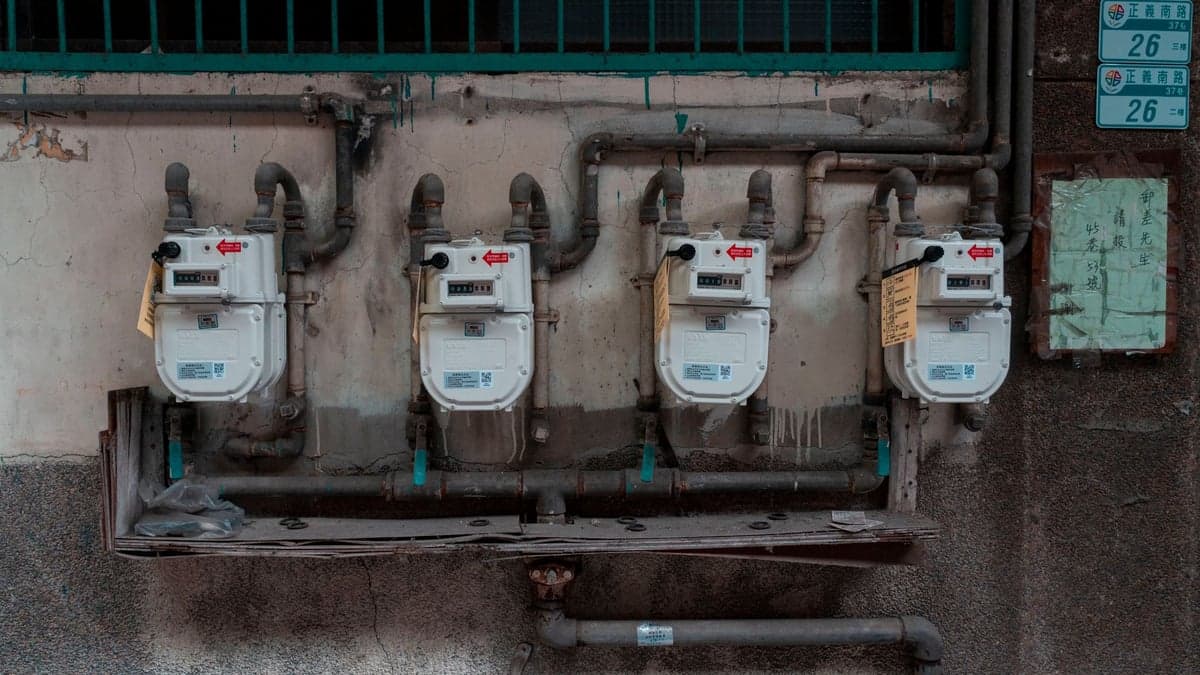
Shared water meters, one gas line for six units, a hallway light that never goes off — most small multifamily owners inherit at least one utility they pay for and can't easily meter per unit. A Ratio Utility Billing System (RUBS) is the usual fix: you take the actual bill, split it across the leases using a defensible ratio, and recover the cost.
What trips people up isn't the maths. It's what happens at tax time. Every dollar a tenant reimburses you for utilities is rental income — and if you don't have the matching expense recorded, you'll pay tax on money you never kept.
This post walks through how RUBS works, why the tax thread matters more than most owners realise, and how billing directly from the expense keeps both sides of the ledger in sync.
What RUBS actually is
RUBS isn't submetering. There's no device measuring what each unit consumed. Instead, you allocate the master bill using a proxy — a ratio you can explain and apply consistently.
Common allocation bases:
| Method | How it splits | Works well for |
|---|---|---|
| Equal shares | Total ÷ number of occupied units | Small buildings with near-identical units |
| Square footage | Proportional to unit size | Heating, cooling, common-area electricity |
| Occupancy count | Per person named on the lease | Water, sewer, rubbish |
| Bedroom count | Weighted by bedrooms | A stable proxy when occupancy shifts |
| Hybrid | e.g. 50% square footage, 50% occupancy | Mixed unit types in one building |
Whichever you pick, three rules apply. The method should be stated in the lease, applied the same way every cycle, and produce a total allocation that doesn't exceed the actual bill you paid.
RUBS is also regulated differently depending on where your property sits. Some jurisdictions restrict it outright, cap administrative fees, or require specific disclosures on the invoice. Confirm the rules for your state and municipality before you roll it out — and again if you buy in a new market.
The tax thread nobody warns you about
Here's the part that surfaces every April.
When a tenant pays you for utilities, that payment is rental income. It goes on Schedule E alongside base rent. The IRS treats tenant reimbursements for landlord expenses as income received — it doesn't matter that the money passed straight through you to the utility company.
The offsetting move is the deduction. The utility bill you paid is a deductible rental expense, also on Schedule E. When both sides are recorded, the net tax effect of a pure pass-through is roughly nil: $400 in, $400 out.
The problem is that these two entries live in different places in most owners' record-keeping.
Where the mismatch comes from
The reimbursement is easy to capture. It arrives as a payment, hits your bank account, and shows up in your rent roll or bank feed. Income gets recorded almost automatically.
The expense is the one that goes missing. The utility bill gets paid by autopay from a personal account, or it's filed in an email folder, or it's lumped into a "property costs" line that never gets itemised. Come tax time, you've reported the income and understated the deduction.
The result: you pay tax on a pass-through you never profited from. On a six-unit building with a few hundred dollars a month in shared water and common-area power, that's a meaningful amount of phantom income over a year — and it compounds, because you'll make the same mistake every year until something forces a reconciliation.
The reverse error happens too. Owners who deduct the full utility bill but forget to record the reimbursements have understated their income. That's the version that causes real problems if the return is ever examined.
Why billing from the expense is the fix
The structural solution is simple: never create a tenant utility charge out of thin air. Create it from the expense record.
That means the workflow starts with the bill:
- Record the expense first. Enter the utility bill against the property — vendor, amount, service period, category.
- Split it across the leases. Apply your allocation method to that specific expense amount.
- Issue the charges. Each tenant's invoice line is generated from, and linked to, the parent expense.
- Collect and reconcile. Payments settle against those charges, which still point back to the bill.
When the charge is a child of the expense, three things become true automatically:
- The deduction always exists, because the expense had to be recorded before any billing could happen.
- The allocation can never exceed 100% of the bill, because it's a split of a known total.
- Every dollar of reimbursement income traces to a specific invoice, service period, and vendor.
This is exactly how the utility billing works in PacRent — you enter the shared expense, choose how it splits across leases, and the tenant charges are generated from that expense record. The income and the deduction are created in the same action, so they can't drift apart.
The paper trail you want
If a tenant disputes a charge, or your return gets a second look, you want to produce these without digging:
- The original utility invoice (vendor, service period, amount)
- The allocation method and the inputs used that cycle
- Per-lease charge amounts, with the arithmetic visible
- Payment records against each charge
- The lease clause authorising RUBS billing and naming the method
A good rule of thumb: if you can't reconstruct a single tenant's charge from the master bill in under a minute, your records aren't tight enough.
Common mistakes to avoid
- Estimating instead of billing actuals. Estimates drift from what you paid, which breaks the income-to-deduction match and invites disputes.
- Netting the reimbursement against the bill. Recording only the difference hides both figures and makes Schedule E harder to support. Report gross income and gross expense.
- Changing the ratio mid-lease. Even if the new method is fairer, it may breach the lease and it definitely makes your history harder to explain.
- Billing vacant units to the tenants. Vacancy loss is the owner's cost, not a recoverable one. Allocating it across occupied units usually isn't permitted.
- Mixing an admin fee into the utility line. Where a fee is allowed, show it separately. It's income too — but it isn't offset by the utility deduction, so it needs to be visible.
Getting started
If you're already billing tenants for utilities on a spreadsheet, the switch is less about changing the numbers and more about changing the order of operations. Record the bill, split the bill, then charge — in that sequence, every time.
Do that consistently and RUBS becomes what it should be: a clean recovery of shared costs, with a tax position you can defend without a shoebox of receipts.
This article is general information, not tax advice. Talk to a CPA about how utility reimbursements should be reported for your specific portfolio.